
Performance metrics for SMM in 2025
What are performance measurement metrics in SMM?
Performance measurement metrics - These are numerical indicators that measure the effectiveness of an SMM strategy. They become a compass in the world of social media, pointing the way to successful interaction with the audience.

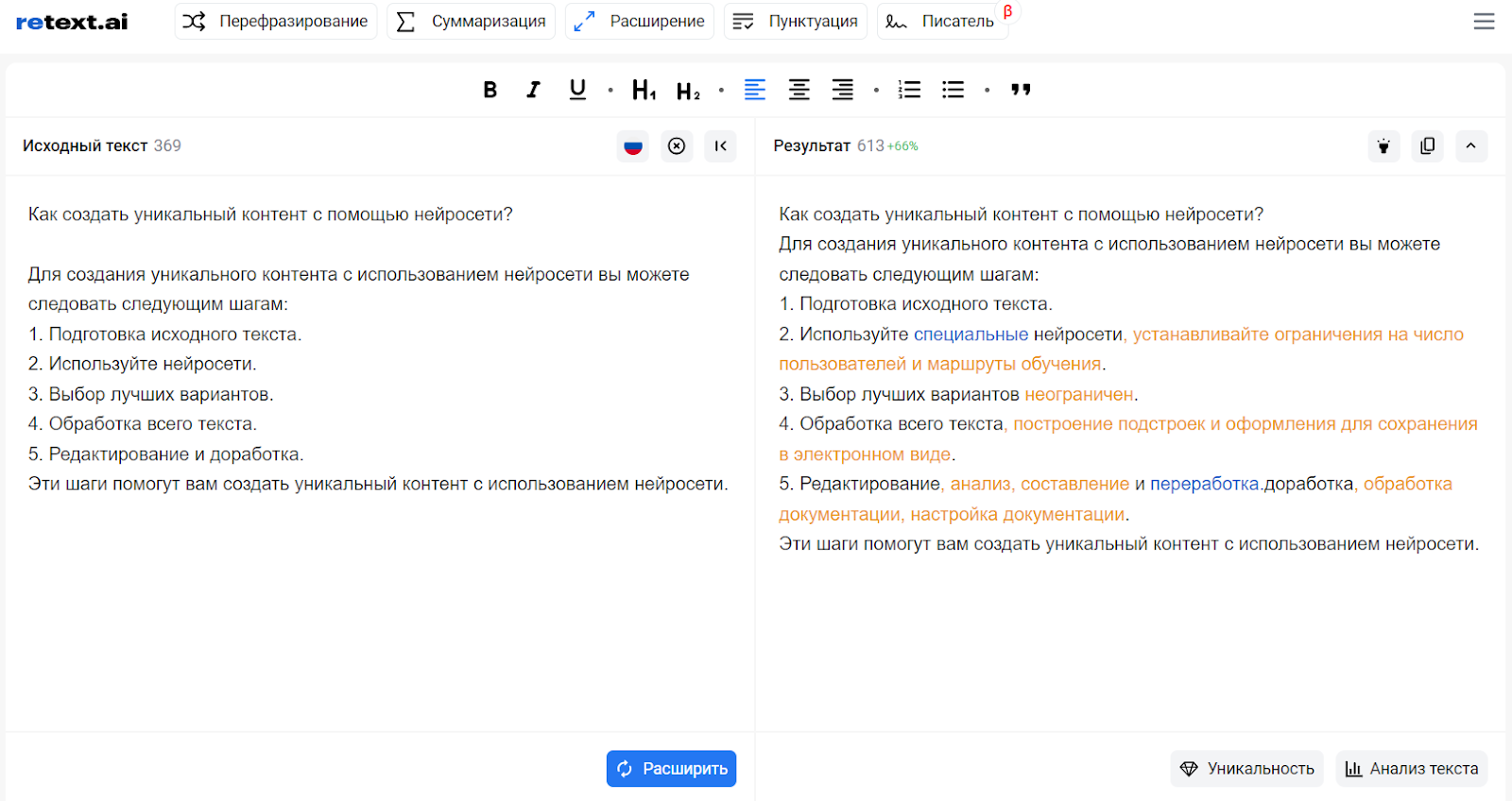
Metrics are not just cold numbers, but key indicators that interact with the dynamics of your SMM strategy. To measure content effectiveness in 2025, use modern tools such as neural network for working with content ReText.AIthat will help make your content even more unique and appealing to your target audience.
Why track SMM metrics?
Performance measurement in SMM plays a key role in the success of a social media strategy. It is a strategic tool to better understand and influence the dynamics of user behavior on social platforms.

Let's analyze why you should pay special attention to SMM-strategy for social media promotion:
- Adapting to changes in user behavior. User behavior on social media is constantly evolving. Tracking metrics allows you to notice these changes in real time and adapt your strategy according to new trends. This, in turn, allows for more effective target audience interaction.
- Content Optimization. Metrics provide valuable data on how users are responding to your content. This analysis helps you determine which types of content are most successful and which require adjustments. This allows you to build a content strategy that matches your audience's interests and needs. You can also use this to help you online tool for bloggers and SMM specialists ReText.AI.
- Maximizing engagement. Tracking metrics in SMM is an effective tool for increasing audience engagement. Analyzing data allows you to determine at what times and with what content your subscribers are most active. This information helps you plan optimal posting times and create content that attracts attention.
- Continuous improvement in strategy. Metrics are a constant source of feedback. With their help, you can evaluate the results of each campaign, identify strengths and weaknesses, and, based on the data obtained, make adjustments to the promotion strategy.
Tracking performance metrics in SMM is more than just watching numbers. It's a tool that helps you understand the dynamics of change, capture your audience's attention, and continuously improve your social media strategy.
Overview of the main categories of metrics in SMM
Tracking and evaluating key groups of KPIs in SMM are becoming an integral part of successful SMM promotion. Let's define the main categories of metrics in SMM:
- Category of indicators for assessing subscriber dynamics - is a set of metrics aimed at studying changes in the number of social media followers.
- Category of indicators for assessing audience feedback - is a group of metrics designed to analyze audience interaction and response to content.
- Category of indicators for assessing communication with the audience - is a set of metrics focusing on the effectiveness of a brand's communication with its audience on social media.
Tracking and analyzing performance metrics for SMM in 2025 is essential to not only follow current trends, but also contribute to shaping new ones.
Performance Indicators in SMM: parsing through examples
Let's take a look at what goes into the social media content performance metrics listed above:
- A category of indicators for assessing subscriber dynamics:
- Scope: Measures the number of unique users who have seen your content. This indicator allows you to determine how successful you are in attracting the attention of a new audience. This indicator of SMM effectiveness in advertising is key when creating advertising campaigns.
- Number of views: Evaluates how many times your content has been viewed. This metric helps you understand how actively your subscribers are interacting with your posts.
- Audience growth rate: Measures changes in the number of subscribers over a certain period. This metric allows you to evaluate the effectiveness of your content marketing.
- Number of signatories and unsubscribes: Allows you to identify factors affecting the growth and decline of subscribers. This is important for strategy adjustment and audience retention.
- A category of indicators for evaluating audience feedback:
- User-generated content: Tracks the quantity and quality of content created by your audience. A high level of UGC indicates audience engagement and loyalty. The most prominent example of UGC is comments.
- Negative reactions: Analyzes the number of negative comments, dislikes and complaints about content. Allows you to quickly respond to problems and improve your strategy.
- Active core: Estimates the number of active subscribers who are ready to interact with your content. This is an important indicator of the impact on your target audience.
- Involvement: Measures how responsive your audience is to your posts and how actively they interact with your content. This metric helps you gauge how engaged your subscribers are.
- A category of indicators for evaluating audience communication:
- Average response time: Determines the average time it takes you to respond to comments and messages. A quick response creates a positive brand perception.
- Frequency of adding posts: Measures how regularly you publish new content. Keeps your audience engaged and keeps your profile up to date.
The major categories of metrics used in SMM provide a comprehensive overview of the effectiveness of your social media strategy, helping you better understand your audience, optimize content, and improve communication with subscribers.
Secrets of SMM-promotion in social networks
The effectiveness of SMM promotion in 2025 is becoming a real challenge for marketers as social media algorithms are constantly evolving.

The key to successfully engaging with your audience is the ability to adapt to these changes and utilize cutting edge technology.
- Adapting to algorithm changes. With each new social media update, the rules around content organization change. Tracking and understanding these changes becomes crucial.
- The role of modern technology. In this context, modern technologies become an integral part of successful SMM-promotion. One of the brightest examples is the use of neural networks for creating unique content ReText.AI. This innovative technology not only simplifies the process of creating unique content, but also allows you to adapt to changes in social media algorithms, ensuring a high level of audience engagement.
- Audience Interaction. Today's technology also facilitates deeper engagement with audiences. Neural networks are helping Analyze feedback data, predict trends, and better understand subscribers' interests.
In a world of rapidly changing social media trends and algorithms, the secret to effective SMM promotion in 2025 is the ability to adapt and utilize cutting-edge technology.
Conclusion
Performance metrics for SMM are even more relevant in 2025. Tracking and analyzing social media performance metrics will not only help you measure but also improve the effectiveness of your SMM strategy. They provide not only data but also context to make informed decisions.
Frequent questions
1. How to choose the right metrics for your SMM strategy? The choice depends on your brand's goals and characteristics. Determine what's important to you: reach, engagement or conversion. 2. Why is it important to use neural networks for rewriting in SMM? Neural networks, such as ReText.AI, provide better and more unique content, which promotes better engagement with audiences. 3. What changes to expect in SMM in 2025? Expect an increased role for visual content, the growing importance of micro-influencers, and more sophisticated social platform algorithms. 4. How to use metrics to optimize content? Analyze audience preferences through metrics and tailor content to their interests by optimizing publication times and formats. |
|---|